
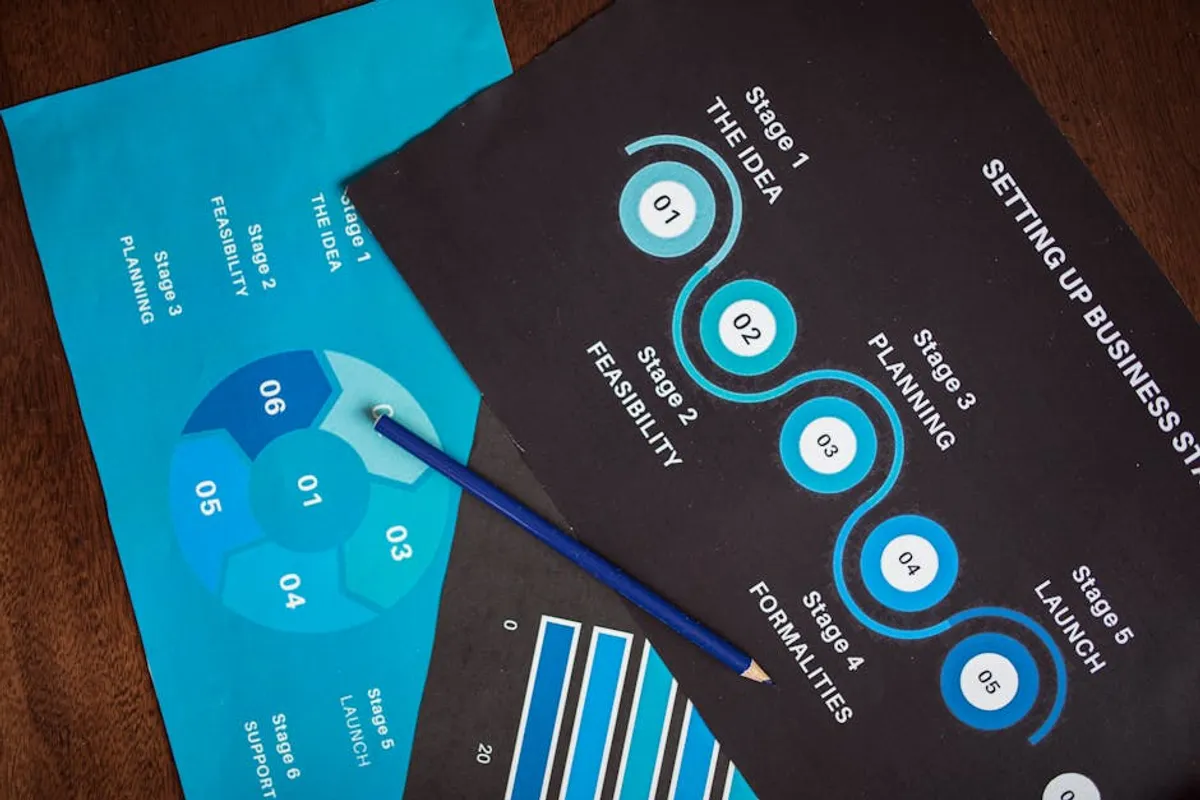
For small businesses, a strategic roadmap isn't a luxury; it's a foundational tool for survival and growth. Unlike a static business plan, a roadmap provides a dynamic, visual representation of your strategic intent, outlining key initiatives, milestones, and resource allocation over a defined period. Its primary purpose is to align your team, focus limited resources on high-impact activities, and ensure every effort contributes directly to overarching business objectives. Without one, small businesses risk fragmented efforts, missed opportunities, and inefficient resource deployment, often leading to stagnation or failure. This checklist details the essential components required to construct a robust and actionable business roadmap, designed to foster clarity and drive measurable progress.
Defining Your Strategic Foundation
Before mapping out tasks, solidify your core direction. This initial phase ensures all subsequent efforts are anchored to a clear purpose and achievable outcomes.
- Mission and Vision Statement: Articulate a concise, inspiring mission (what you do, for whom, and why) and a forward-looking vision (where you aspire to be). These statements serve as the ultimate filter for all strategic decisions.
- Long-Term Goals: Establish 3-5 high-level, measurable objectives for the next 3-5 years. These should be ambitious yet realistic, guiding your shorter-term roadmap initiatives. For example, "Achieve 20% market share in the local artisanal coffee segment" or "Expand e-commerce sales by 50% year-over-year."
- Core Values: Define the principles that underpin your business culture and operations. These values influence hiring, customer service, and ethical decision-making, ensuring consistency as you grow.
Market Understanding and Competitive Edge
A roadmap built on assumptions will falter. Ground your strategy in a clear understanding of your market landscape and how you differentiate within it.
- Target Audience Profile: Develop detailed buyer personas, including demographics, psychographics, pain points, and purchasing behaviors. Understanding who you serve enables targeted product development and marketing.
- Competitive Analysis: Identify direct and indirect competitors. Analyze their strengths, weaknesses, pricing, product offerings, and marketing tactics. Pinpoint opportunities for differentiation and areas where your business can excel.
- Unique Value Proposition (UVP): Clearly articulate what makes your business unique and why customers should choose you over alternatives. This UVP must be compelling, specific, and consistently communicated across all touchpoints.
Product/Service Development and Innovation
Your offerings are the core of your business. This section focuses on ensuring they meet market needs and evolve with demand.
- Current Offering Audit: Evaluate the performance, profitability, and customer satisfaction of your existing products or services. Identify areas for improvement or potential sunsetting.
- New Feature/Product Roadmap: Outline planned enhancements, new product launches, or service expansions. Prioritize these based on market demand, revenue potential, and strategic alignment. Include estimated development timelines and required resources.
- Technology Stack Assessment: Review the tools and platforms supporting your product/service delivery. Identify any gaps, redundancies, or opportunities for technological upgrades to improve efficiency or customer experience.
Marketing and Sales Strategy
Visibility and revenue generation are paramount. Your roadmap must detail how you will attract and convert customers effectively.
- Marketing Channels: Identify the most effective channels for reaching your target audience (e.g., social media, email marketing, content marketing, local SEO, paid advertising). Allocate resources and set specific goals for each.
- Content Strategy: Plan the types of content (blog posts, videos, case studies, newsletters) you will create to attract, engage, and convert prospects. Align content themes with buyer journey stages.
- Sales Process: Document your sales funnel, from lead generation to conversion and retention. Define key metrics (e.g., conversion rates, average deal size) and identify areas for optimization.
- Customer Retention Initiatives: Outline strategies to foster loyalty and encourage repeat business, such as loyalty programs, excellent post-purchase support, or exclusive offers.
Pro Tip: Avoid the trap of "analysis paralysis." While thorough planning is crucial, a roadmap should be a living document. Prioritize the most impactful initiatives for the next 3-6 months, launch, gather feedback, and iterate. Perfection is the enemy of progress, especially for resource-constrained small businesses.
Operational and Resource Planning
Translate strategic goals into executable actions by defining the operational infrastructure and human capital required.
- Key Operational Processes: Document and optimize core business processes (e.g., order fulfillment, customer support, inventory management). Identify bottlenecks and opportunities for automation.
- Team Structure and Hiring Plan: Assess your current team's capabilities against your roadmap's needs. Outline any necessary hires, skill development initiatives, or organizational restructuring required to achieve your goals.
- Technology and Infrastructure: Detail any new software, hardware, or physical infrastructure investments needed to support growth and operational efficiency.
Financial Projections and Funding
A roadmap without financial grounding is merely a wish list. Ensure your plans are viable and adequately funded.
- Revenue Forecasts: Project expected revenue based on sales targets, pricing strategies, and market growth assumptions. Segment forecasts by product, service, or customer type.
- Expense Budget: Detail all anticipated operational expenses, marketing spend, development costs, and administrative overhead. Categorize expenses to track them effectively.
- Profitability Analysis: Calculate projected net profit and key financial ratios. Identify break-even points and assess the financial viability of new initiatives.
- Funding Requirements: If external funding is needed, outline the amount required, potential sources (e.g., loans, investors), and a clear plan for its utilization and repayment.
Risk Assessment and Mitigation
Anticipating challenges allows you to build resilience into your roadmap, preventing minor setbacks from derailing major initiatives.
- Identify Potential Risks: Brainstorm internal (e.g., staffing shortages, operational failures) and external (e.g., market shifts, new competitors, economic downturns) risks that could impact your roadmap.
- Impact and Likelihood Assessment: For each identified risk, evaluate its potential impact on your business and the likelihood of it occurring.
- Mitigation Strategies: Develop specific action plans to reduce the likelihood or impact of each risk. This might include contingency plans, insurance, diversification, or process improvements.
Putting Your Roadmap into Action
A roadmap is a dynamic tool. Consistent review and adaptation are crucial for its effectiveness.
Once your roadmap is complete, it serves as a living blueprint. Share it transparently with your team, ensuring everyone understands their role in achieving the outlined milestones. Regularly schedule dedicated time—monthly or quarterly—to review progress against your goals, assess market changes, and adjust priorities as needed. This iterative approach allows your small business to remain agile, capitalize on new opportunities, and navigate unforeseen challenges with greater confidence. Remember, the value of a roadmap lies not just in its creation, but in its continuous application and refinement as your business evolves.
Frequently Asked Questions
What's the difference between a business plan and a business roadmap?
A business plan is typically a comprehensive, static document created for a specific purpose, like securing funding, often covering 3-5 years in detail. A business roadmap, conversely, is a more agile, visual representation focused on strategic initiatives and milestones over a shorter, more dynamic period (e.g., 12-18 months), emphasizing execution and iteration.
How often should a small business review and update its roadmap?
For small businesses, a quarterly review is generally ideal. This allows enough time to see progress on initiatives while remaining flexible enough to adapt to market changes or new opportunities without losing long-term focus. Major shifts in the market or internal strategy might necessitate an immediate review.
Can a small business create an effective roadmap without external consultants?
Absolutely. While consultants can offer valuable expertise, a small business can create an effective roadmap by dedicating internal time, leveraging available templates and frameworks, and ensuring key stakeholders (even if it's just the founder and a few key employees) are involved in the process. The focus should be on clarity, realism, and actionable steps.
What if my business goals change significantly after creating the roadmap?
A roadmap is designed to be flexible. If goals change due to new market information, unexpected challenges, or emerging opportunities, the roadmap should be updated to reflect these shifts. This isn't a sign of failure but rather an indication of an agile and responsive business strategy. The process of updating helps re-align the team and resources.