
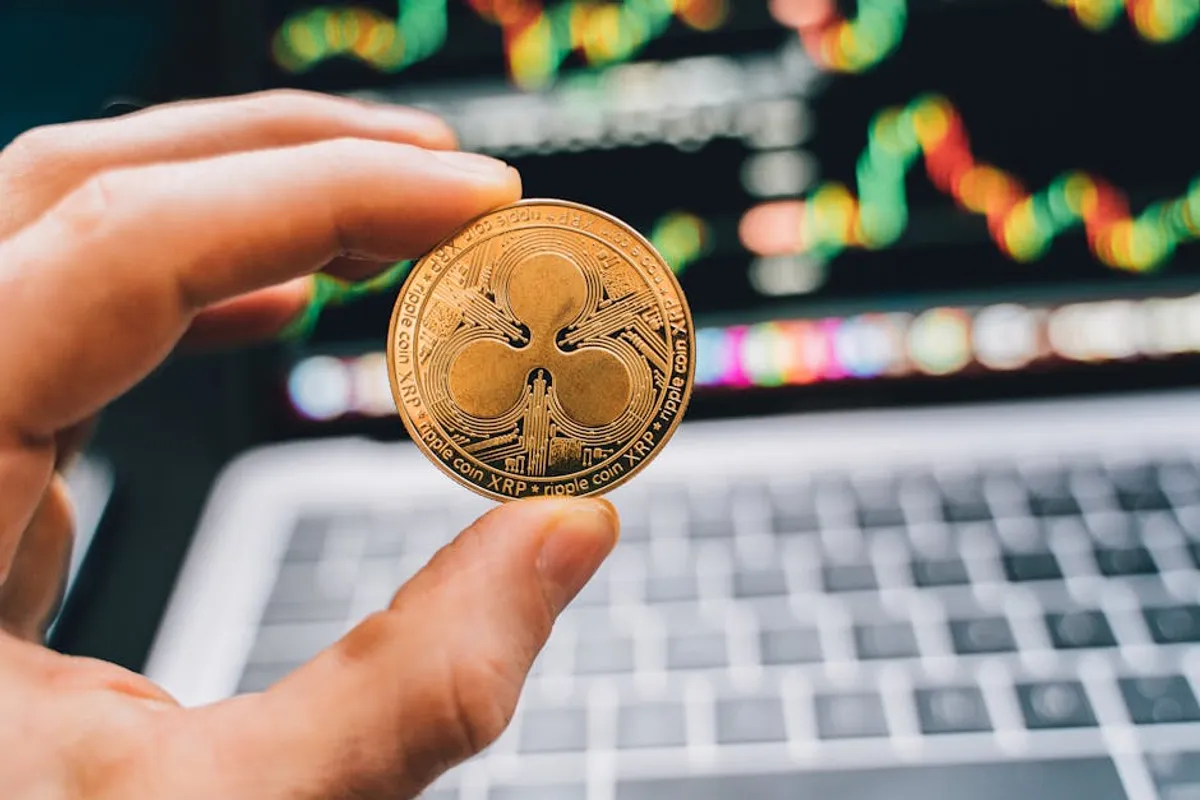
The digital asset landscape is in constant flux, and for stakeholders tracking assets like XRP, a forward-looking perspective is crucial. As 2026 approaches, the trajectory of XRP hinges on a confluence of regulatory developments, technological advancements, and market adoption rates. This analysis provides a framework for understanding the potential market outlook, identifying inherent risks, and highlighting key indicators to monitor for those engaged in digital asset strategy, financial content creation, or market research.
Understanding XRP's Trajectory Towards 2026
XRP's future performance is intrinsically linked to its utility as a bridge currency for cross-border payments and the broader evolution of the digital asset ecosystem. The period leading up to 2026 is critical for solidifying its position and expanding its application.
Regulatory Landscape and its Impact
A primary determinant for XRP's market outlook is the resolution of ongoing regulatory uncertainties, particularly the lawsuit initiated by the U.S. Securities and Exchange Commission (SEC). A clear legal precedent, whether favorable or unfavorable, will significantly impact institutional adoption and market liquidity within the United States. Beyond the US, regulatory clarity from major financial hubs in Europe and Asia will also shape how financial institutions and payment providers integrate XRP into their operations. Countries establishing clear frameworks for digital assets can foster environments where XRP’s payment solutions can thrive, directly influencing its utility and value proposition.
Adoption Trends and Utility Growth
XRP's core utility lies in its On-Demand Liquidity (ODL) solution, which uses XRP to facilitate efficient, low-cost cross-border transactions. Monitoring the expansion of ODL corridors and the volume of transactions processed through these channels provides a tangible measure of adoption. Increased partnerships with financial institutions, payment processors, and corporations utilizing XRP for settlement will signal growing confidence and practical application beyond speculative trading. The actual demand generated by these real-world use cases is a more robust indicator of long-term value than short-term price fluctuations.
Technological Evolution and Network Upgrades
The underlying XRP Ledger (XRPL) continues to evolve. Developments such as the introduction of Hooks for smart contract functionality, sidechains for specialized applications, and advancements in the Automated Market Maker (AMM) capabilities can significantly broaden XRP's utility. These technological enhancements aim to make the XRPL more versatile, supporting a wider range of decentralized finance (DeFi) applications and enterprise solutions. Tracking developer activity, proposals for network amendments, and the successful deployment of new features offers insight into the platform's long-term viability and competitiveness.
Identifying Core Risks for XRP in the Mid-Term
While potential growth exists, several critical risks could impede XRP's progress toward 2026. A thorough understanding of these factors is essential for any stakeholder assessing its market position.
Ongoing Legal Challenges
The most prominent risk remains the SEC lawsuit. While progress has been made, a definitive resolution is still pending. An unfavorable ruling could severely restrict XRP's availability and utility in the US market, impacting its global perception and potential for institutional engagement. Even a prolonged legal battle, regardless of the eventual outcome, can deter potential partners and investors due to persistent uncertainty and associated compliance costs.
Market Volatility and Competition
Like all digital assets, XRP is subject to significant market volatility driven by macroeconomic factors, geopolitical events, and general sentiment within the broader cryptocurrency market. Beyond general market fluctuations, XRP faces intense competition from other digital assets and traditional payment systems. Other blockchain networks offer alternative solutions for cross-border payments, and established financial players are also innovating with their own digital payment infrastructure. XRP’s ability to maintain its competitive edge in terms of speed, cost, and scalability against these alternatives is a continuous challenge.
Warning: Regulatory outcomes, particularly in major economic jurisdictions, can introduce sudden and significant market shifts for digital assets. Relying solely on past performance or speculative sentiment without accounting for evolving legal frameworks presents a substantial risk.
Critical Indicators for Monitoring XRP's Performance
For those tracking XRP, specific data points and events provide actionable insights into its market health and future prospects.
- ODL Transaction Volume: Monitor the reported volume and number of transactions facilitated through On-Demand Liquidity corridors. Consistent growth here signals increasing real-world adoption.
- Strategic Partnerships: Track announcements of new partnerships with financial institutions, payment providers, and corporate entities that explicitly state their intention to use XRP or the XRPL for specific solutions.
- Regulatory Pronouncements: Pay close attention to official statements, guidelines, and legislation from central banks and financial regulators globally, especially those pertaining to cross-border payments and digital asset classification.
- Developer Ecosystem Growth: Observe metrics related to the XRPL developer community, including the number of active developers, new projects built on the ledger, and grant programs supporting ecosystem expansion.
- Token Distribution and Supply: Keep informed about Ripple's quarterly reports on XRP sales and escrow releases, which provide transparency on the circulating supply and its management.
Partnership Developments and On-Demand Liquidity (ODL) Expansion
The commercial success of XRP is heavily reliant on its integration into existing financial infrastructure. Key indicators include the announcement of new ODL corridors, the onboarding of major financial institutions, and transparent reporting on transaction volumes and cost savings achieved through these solutions. Specific metrics to watch would be the number of active ODL customers and the aggregate value of transactions processed, rather than just the number of partnerships announced without corresponding usage data.
Global Regulatory Frameworks and Clarity
Beyond the US, the regulatory stance of nations like Singapore, the UK, Japan, and the UAE significantly influences XRP's global utility. Clear regulatory frameworks that classify XRP as a utility token or a non-security asset can unlock new markets and foster institutional confidence. Conversely, restrictive regulations in key jurisdictions could limit its reach. Monitoring policy papers, legislative proposals, and official regulatory guidance from these regions provides early signals of potential market shifts.
Developer Activity and Ecosystem Growth
A thriving developer ecosystem is vital for any blockchain platform's long-term health. Metrics such as the number of unique addresses interacting with the XRPL, the deployment of new smart contracts or applications (via Hooks), and the overall funding directed towards XRPL-based projects indicate organic growth and innovation. A robust developer community ensures continuous improvement, expands utility, and creates new demand for the underlying asset.
Navigating the Path to 2026
XRP's journey to 2026 is characterized by both significant potential and inherent challenges. For those involved in digital asset market analysis, content creation, or strategic planning, a continuous, data-driven approach is paramount. Focus on fundamental utility, regulatory clarity, and ecosystem development rather than speculative noise. The confluence of these factors will ultimately determine XRP's market position and adoption trajectory in the coming years, offering a clearer picture for informed decision-making.
Frequently Asked Questions
What is the primary use case for XRP?
XRP's primary use case is facilitating fast, low-cost cross-border payments through Ripple's On-Demand Liquidity (ODL) solution, acting as a bridge currency between different fiat currencies.
How does regulatory uncertainty affect XRP?
Regulatory uncertainty, particularly the ongoing SEC lawsuit in the US, can deter institutional adoption, limit market access, and impact XRP's overall liquidity and price stability by creating legal ambiguity for potential users.
What are key indicators of XRP's adoption?
Key indicators of XRP's adoption include the expansion of On-Demand Liquidity (ODL) corridors, increased transaction volume on the XRP Ledger, and new partnerships with financial institutions and payment providers utilizing XRP for real-world settlements.