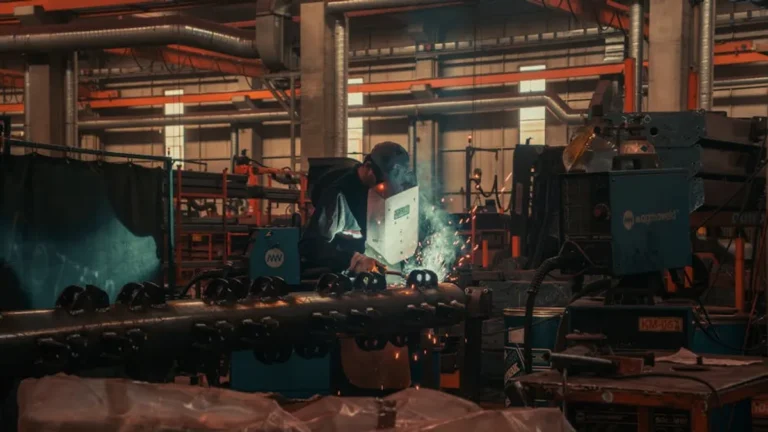

High school welding projects serve as foundational learning experiences, translating theoretical knowledge into tangible skills. For educators and program coordinators, selecting appropriate projects involves balancing educational objectives with practical considerations like material costs, safety protocols, and student skill levels. This guide details the educational utility, technical specifications, and procurement advice necessary to implement effective welding curricula, focusing on projects that build proficiency and confidence.
Educational Impact and Project Utility
Welding projects in a high school setting extend beyond mere fabrication; they are instrumental in developing a range of cognitive and motor skills. Students learn precision, problem-solving, and material science fundamentals through hands-on application. The practical nature of these projects reinforces classroom instruction on metallurgy, joint design, and electrical principles.
- Skill Development: Projects cultivate manual dexterity, hand-eye coordination, and attention to detail, essential for all welding processes (SMAW, GMAW, GTAW, FCAW).
- Safety Proficiency: Each project provides opportunities to practice and internalize critical safety procedures, from proper PPE usage to fire prevention and ventilation management.
- Problem-Solving: Students encounter and resolve challenges related to material fit-up, distortion control, and weld quality, fostering critical thinking.
- Creative Application: Many projects allow for design input, encouraging creative expression within technical constraints, which can boost engagement and ownership.
- Portfolio Building: Completed projects offer tangible evidence of acquired skills, valuable for showcasing capabilities to potential employers or post-secondary institutions.
Project Specifications and Design Considerations
Effective high school welding projects are characterized by clear objectives, manageable complexity, and a focus on fundamental techniques. Project selection should align with the curriculum's progression, moving from simpler, single-joint fabrications to more complex assemblies.
Material Selection and Thickness
The choice of material directly impacts project difficulty and cost. Mild steel is the most common starting point due to its workability and affordability. Thickness dictates the required welding current and technique.
- Beginner Projects: Typically use 1/8-inch to 1/4-inch mild steel plate or square tubing. These thicknesses are forgiving for initial passes and allow for clear puddle observation.
- Intermediate Projects: May introduce thinner gauges (16-gauge to 1/8-inch) or heavier sections (3/8-inch), requiring more precise heat control and multi-pass techniques.
- Advanced Projects: Could involve various material types like aluminum or stainless steel, or more complex joint configurations on thicker sections, demanding specific filler metals and shielding gases.
Joint Types and Weld Positions
Projects should systematically introduce different joint types and welding positions to ensure comprehensive skill development.
- Butt Joints: Fundamental for learning penetration control.
- Lap Joints: Good for practicing fillet welds and material overlap.
- Tee Joints: Introduce corner welds and heat management in a common structural configuration.
- Corner Joints: Develop edge welding skills.
- Weld Positions: Start with flat (1F/1G) and horizontal (2F/2G) positions, progressing to vertical (3F/3G) and overhead (4F/4G) as proficiency increases.
Pro Tip: When designing or selecting projects, always consider the maximum material thickness and joint complexity that can be safely and effectively completed within a typical class period, allowing ample time for setup, welding, and inspection without rushing.
Procurement and Buying Tips for Project Materials
Efficiently sourcing materials and project kits is crucial for program sustainability and student success. Balancing cost, quality, and availability requires careful planning.
Material Sourcing Strategies
Purchasing raw materials in bulk often yields cost savings. Local metal suppliers frequently offer educational discounts or off-cut bins that provide usable stock at reduced prices. Online metal distributors can also be competitive for specific shapes or alloys.
- Mild Steel: Angle iron, square tubing, flat bar, and plate are versatile for numerous projects.
- Consumables: Ensure a consistent supply of electrodes (e.g., E6010, E6011, E7018), MIG wire (ER70S-6), shielding gases (75% Argon/25% CO2), and grinding discs.
- Pre-cut Kits: For specific projects, pre-cut kits can save significant time on material preparation and ensure consistency across student work. Evaluate the cost-effectiveness against buying raw stock and cutting in-house.
Tooling and Equipment Considerations
While not directly "buying tips" for projects, having the right ancillary tools supports project execution. This includes grinders, clamps, measuring tools, and appropriate safety gear (welding helmets, gloves, jackets, safety glasses). Having the right tools also means knowing types of welds to consider for each project.
Best for: Programs with limited cutting equipment or time constraints will benefit most from pre-cut project kits, which streamline the fabrication process and allow more focus on welding technique.
Establishing Robust Safety Protocols
Safety is paramount in any welding program. Comprehensive protocols must be established, communicated, and consistently enforced. Each project should reinforce these practices.
- Personal Protective Equipment (PPE): Mandate the use of auto-darkening welding helmets, flame-resistant jackets or sleeves, welding gloves, safety glasses, and closed-toe leather boots for all students.
- Ventilation: Ensure adequate local exhaust ventilation (fume extractors) or general ventilation to remove welding fumes from the breathing zone.
- Fire Prevention: Maintain a clean work area, free of combustible materials. Have fire extinguishers readily accessible and ensure students know how to use them. Implement a "fire watch" for hot work.
- Supervision: Constant, qualified supervision is non-negotiable. Instructors must be able to intervene immediately in case of an incident.
- Machine Safety: Regular inspection and maintenance of welding machines, cables, and ground clamps are essential to prevent electrical hazards.
Implementing Effective Welding Projects
Successful implementation requires clear instructions, progressive challenges, and constructive feedback. Begin with simple projects that focus on bead control and basic joint types. As students gain confidence, introduce projects that require multiple welding passes, different positions, and more complex fit-up. Encourage students to document their progress, including challenges faced and solutions applied, fostering a reflective learning process.
Frequently Asked Questions
What are good beginner welding projects for high school students?
Good beginner projects include welding simple flat bars together to create paperweights, small metal cubes, or basic picture frames. These focus on straight-line beads and fundamental joint types like butt and lap welds on mild steel.
How do I ensure student safety during welding projects?
Ensure student safety by enforcing mandatory PPE (welding helmets, gloves, flame-resistant clothing), providing adequate ventilation, maintaining a clean work environment free of combustibles, and ensuring constant, qualified supervision. Regular equipment checks are also critical.
What types of metal are best for high school welding projects?
Mild steel, typically in thicknesses from 1/8-inch to 1/4-inch, is ideal for high school welding projects. It is readily available, affordable, and forgiving for learning various welding processes, allowing students to develop core skills without excessive material cost.